

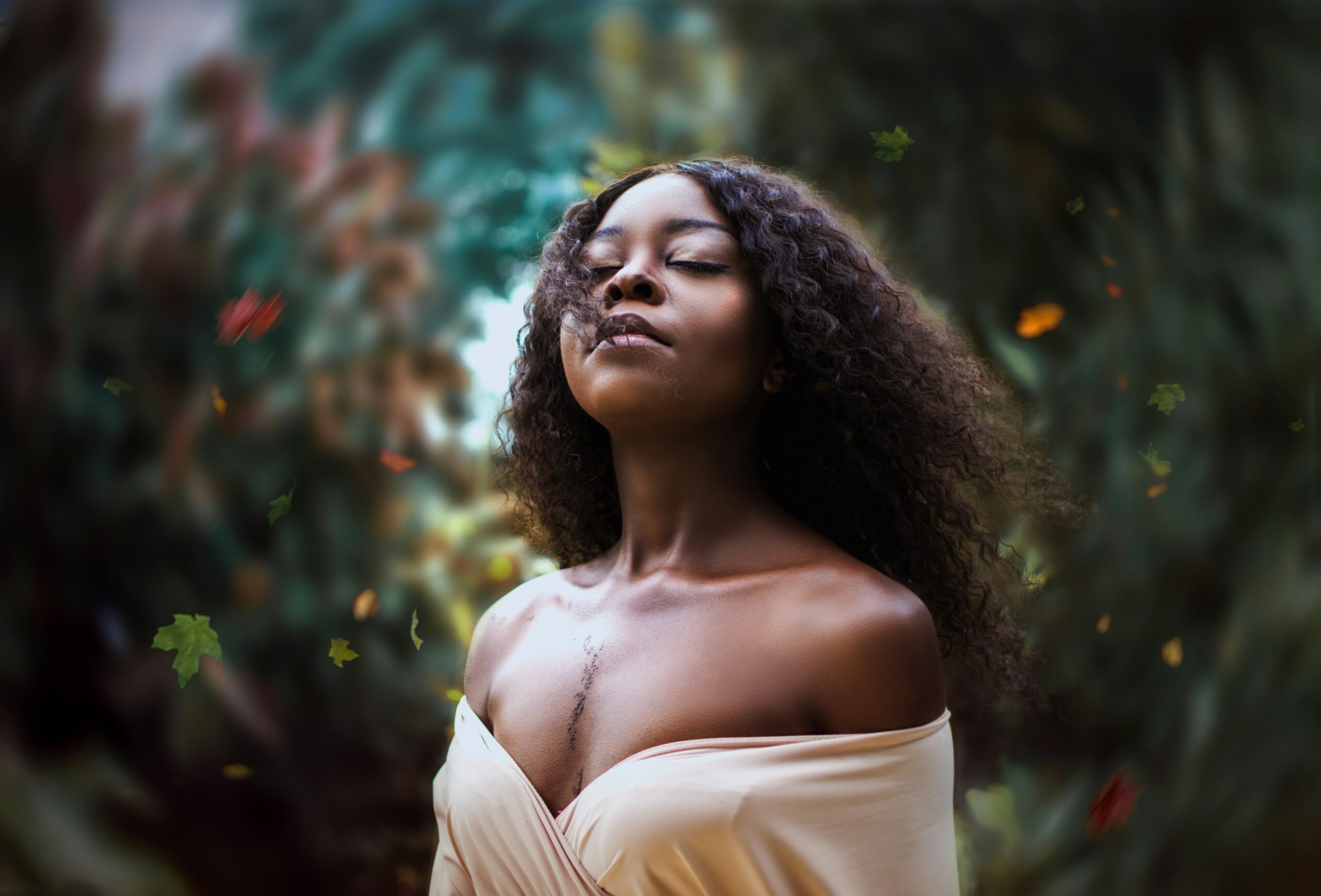
In my opinion, being “the strong one” is one of the heaviest roles a Black woman can carry. It’s praised, celebrated, and even romanticized. People love our resilience, our ability to push through, our capacity to hold everyone else together. But nobody talks about the exhaustion that lives underneath it. The pressure. The grief. The silent hope that someone, somewhere, will finally let us fall apart without losing respect for us. Advocate Sojourner Truth (1851), discussed in her speech “Ain’t I A Woman” challenging sexism, women’s rights, and holding strength as a black woman. She stated, “I could work as much and eat as much as a man – when I could get it – and bear the lash as well! And ain’t I a woman? I have borne thirteen children, and seen most all sold off to slavery, and when I cried out with my mother’s grief, none but Jesus heard me! And ain’t I a woman?”. Being strong was never meant to be our only identity. For generations, Black women survived by necessity. We had to be strong to protect ourselves, our families, our partners, and our communities. And because of that history, many of us grew up believing rest is earned, not given. Asking for help is a weakness. Showing emotion means you don’t have it together. You can’t break because too many people depend on you. But strength was supposed to be a tool, not a personality.
The Emotional Cost of Always Holding It Together
In therapy, I see the patterns over and over. Black women who are:
● managing anxiety behind a calm face
● carrying family burdens without acknowledgment
● struggling in friendships or relationships because they don’t want to be “too much”
● taking care of everyone else while ignoring their own needs
It’s not that we don’t feel the weight; it’s that we’ve been conditioned to believe the weight is ours alone to carry.
Softness Is a Birthright
Softness for Black women isn’t about being fragile. It’s about being human.
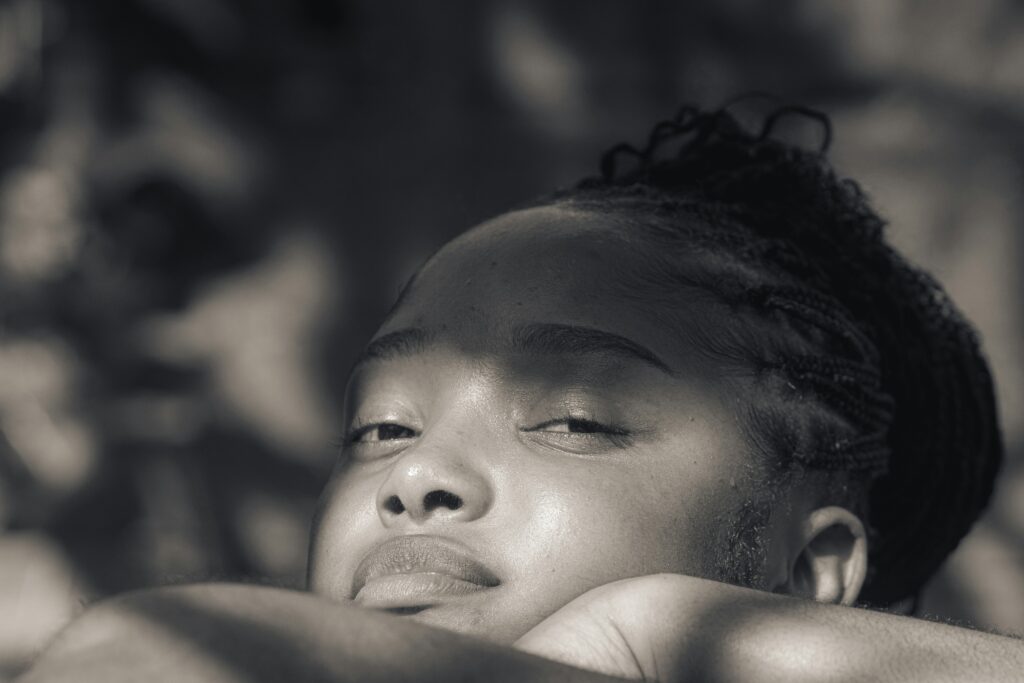
It’s the right to rest without guilt, cry without shame, receive care instead of always giving it, be loved in ways that feel easy, be supported instead of performing strength. Softness is not the opposite of strength; it’s the balance to it. Softness says, “I deserve to be held, too.”
Learning to Take Off the Shield
Healing begins the moment a Black woman realizes her strength is not what makes her lovable; her humanity is.
Softening looks like:
● saying “I’m tired” without over-explaining
● letting people show up for you without feeling indebted
● setting boundaries that protect your peace
● choosing slowness, rest, and pleasure
● allowing yourself to be emotional
And sometimes softness starts with something as simple as saying, “I can’t hold this alone anymore.”
A Future Where Black Women Are Allowed to Be “Weak”
I believe weakness is revolutionary for us. It disrupts the narrative that we are built to carry everything. It invites ease, connection, and healing. It opens the door for deeper relationships, romantic, platonic, and with ourselves. Black women deserve tenderness. We deserve help. We deserve emotional safety. We deserve lives that feel gentle. And we deserve to be more than strong; we deserve to be whole.